
No Family Should Sell Their Land to Pay a Hospital Bill: The Story of MODCHIS™ in Lwengo
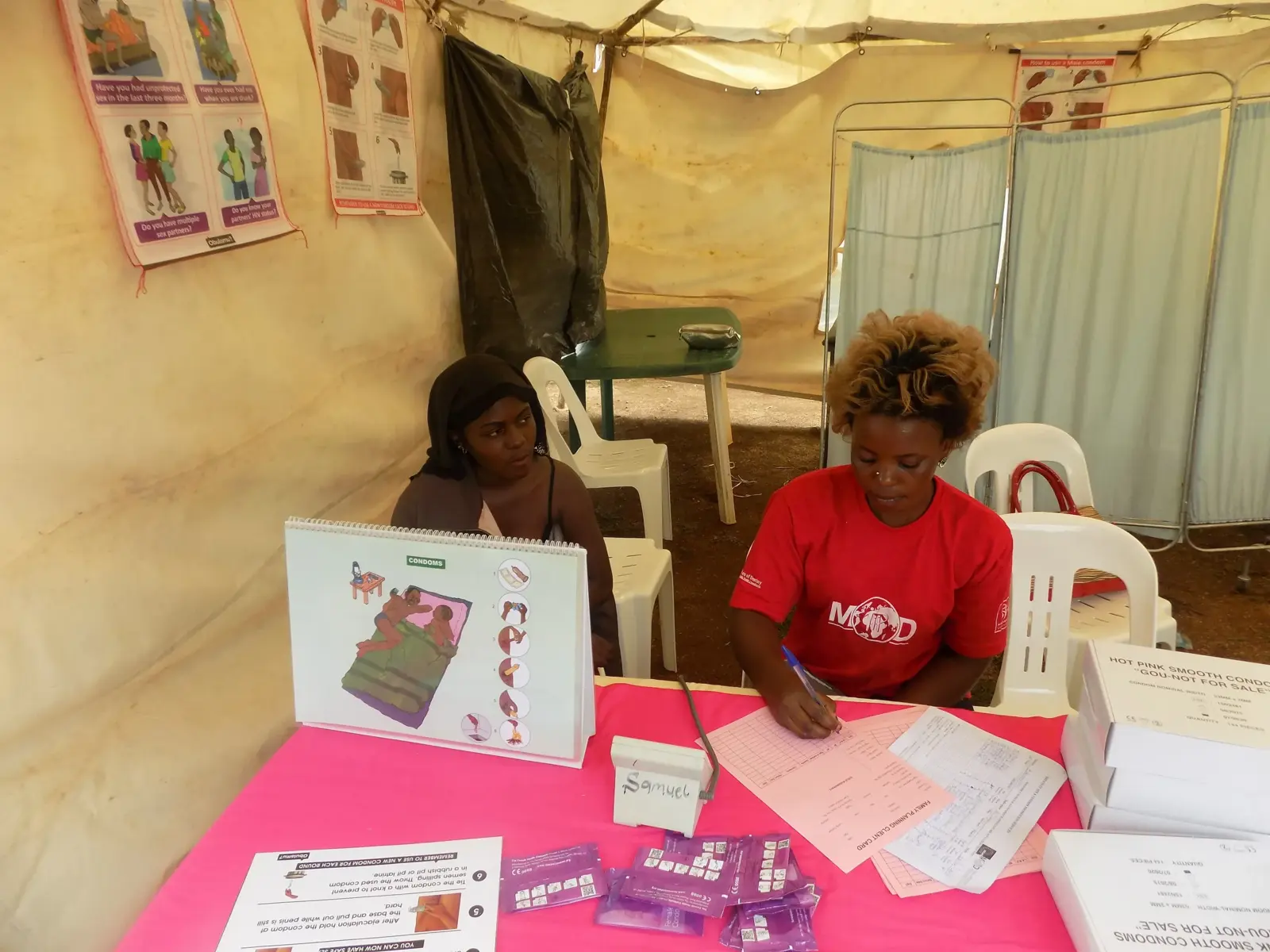
When Grace, a mother of three from Lwengo District, watched her neighbour sell two acres of family land to pay her husband’s hospital bill, she made a quiet promise to herself: that would never be her family’s story.
For decades, this has been the unspoken tax of illness in rural Uganda. A sudden hospital admission, a difficult delivery, a child’s prolonged fever, and overnight, a family’s livelihood disappears. Livestock sold. Land mortgaged. School fees abandoned. The health system saves the patient, but the household never recovers.
This is the gap that MODCHIS™ was built to close.
A new kind of safety net
MODCHIS™, our flagship Community Health Equity Package, is an affordable community health insurance scheme designed by and for grassroots communities. Households pay small, predictable contributions into a shared pool, and in return, gain access to essential health services without the terror of out-of-pocket spending.
It is not charity. It is co-ownership.
Through MODCHIS™, families are not passive recipients of aid. They are members of a resilient health system they helped build. When one household needs care, the pool absorbs the cost. When the harvest fails or a job is lost, the safety net holds.
What 75,000 households have taught us
Five years into MODCHIS™, we have mobilised and protected more than 75,000 households across 12 districts. Solidarity funds have been established for the most vulnerable families, district governance frameworks have been strengthened, and a generation of Ugandan families is learning what it feels like to seek care without fear.
The numbers matter. But the shift in mindset matters more.
In Lwengo, in Kalungu, in Rakai, conversations about health are changing. Where families once whispered about the cost of illness, they now speak openly about prevention, screening, and shared responsibility. Where Village Health Teams once arrived with information, they now arrive with answers and a system that backs them up.
Grace put it best when she sat down with our outreach team last year.
“Through MODCHIS™, my family no longer fears hospital bills. We can access care without selling our land or livestock.”
Why this model works
MODCHIS™ succeeds because it is built on three principles that mirror our PECIT-D values:
Evidence-based design. Every aspect of the scheme, from contribution levels to benefit packages, is grounded in tracer studies of real household spending in rural Uganda.
Community ownership. Local governance structures, not external administrators, run the scheme. Communities decide priorities, monitor performance, and hold the system accountable.
Equity at the centre. Solidarity funds ensure that the poorest families, those least able to contribute, are still protected. No one is left behind because of what they cannot pay.
This is what we mean when we say MOD Foundation turns evidence into action and communities into co-owners.
The road ahead
MODCHIS™ is not finished. We are working to extend coverage to more districts, deepen integration with government health systems, and build digital tools that make enrolment and claims simpler for every family. We are also strengthening partnerships with cooperatives, churches, and diaspora networks to grow the pool of solidarity funds available to vulnerable households.
But the foundation is laid. And it was laid by 75,000 families who decided that no one in their community should have to choose between treatment and tomorrow.
Join the movement
You can help us scale MODCHIS™ to more districts and protect more households.
Donate to grow our solidarity funds for the most vulnerable families.
Partner with us if your organisation, government agency, or cooperative wants to bring MODCHIS™ to your district.
Share Grace’s story with someone who believes that health should be a right, not a privilege.
Because every household that joins MODCHIS™ is one less family that ever has to sell their land to save a life.